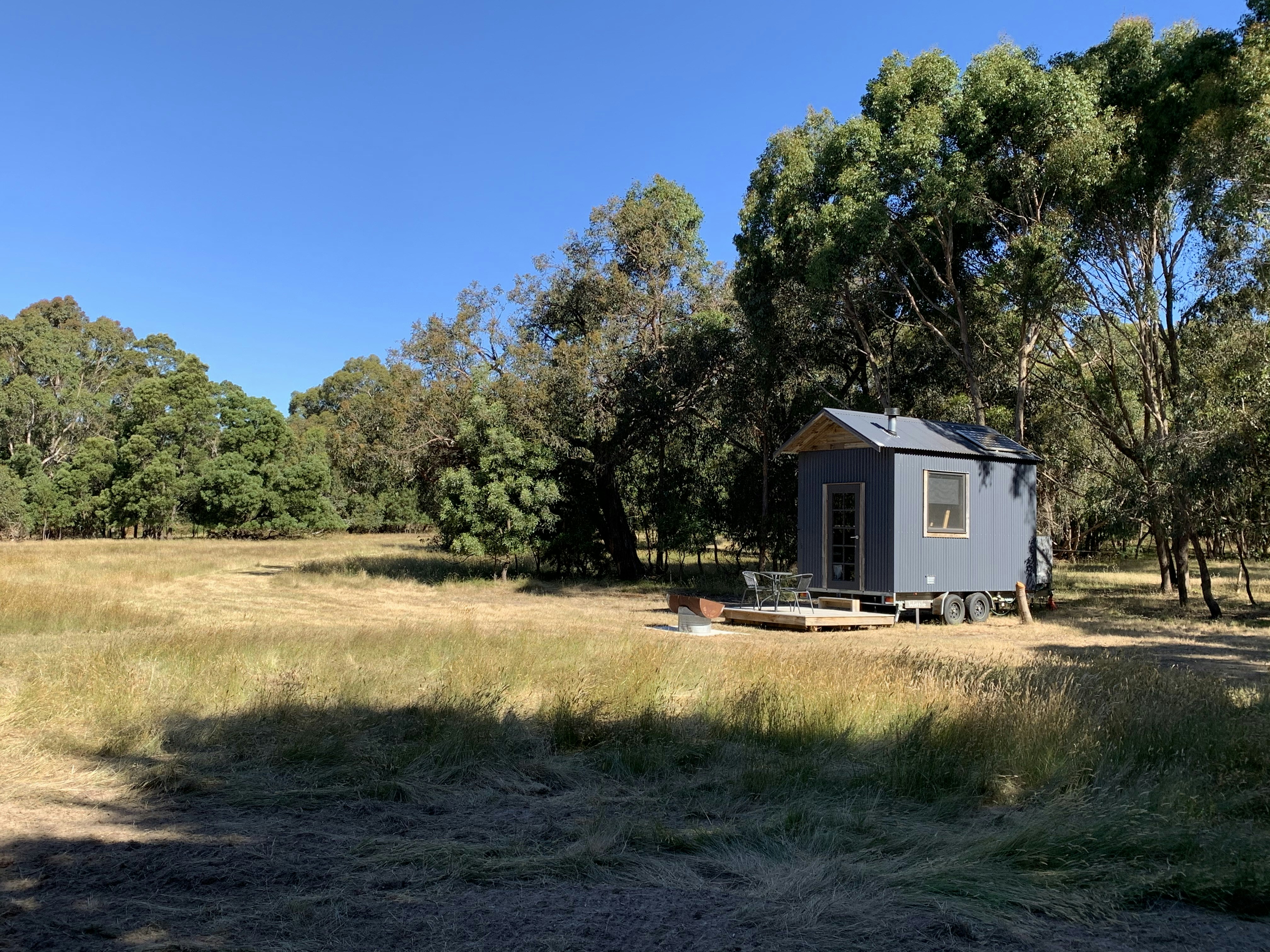
Introduction to Tiny House Living
Tiny house living refers to the lifestyle that embraces the concept of residing in a significantly smaller dwelling than the conventional average home. This movement originates from a pursuit of simplicity, financial independence, and a more sustainable way of living. Over the past decade, the tiny house movement has gained traction, driven by a cultural shift towards minimalism and a growing awareness of environmental issues. The appeal of downsizing has become evident as individuals and families seek to alleviate the burdens associated with larger homes, such as mortgage debt, maintenance costs, and excessive consumption.
The tiny house movement advocates for living with less, encouraging residents to prioritize experiences and relationships over material possessions. As this lifestyle gains popularity, many are recognizing its benefits, including reduced environmental impact and improved financial security. Tiny homes often require fewer resources to build and maintain, embodying principles of sustainability. With a minimal footprint, these compact residences can enhance energy efficiency, leading to lower utility costs and a diminished ecological footprint.
Moreover, tiny house living promotes a sense of community. Many individuals who choose this lifestyle often find themselves part of like-minded groups that value simplicity and shared experiences. This communal approach reinforces social ties and encourages collaboration among residents. As people embrace the idea of living in smaller spaces, it helps in reshaping societal norms concerning ownership, consumption, and lifestyle choices.
In essence, tiny house living serves as a vehicle for fostering mindfulness and intentionality in one’s life. By focusing on what truly matters, individuals can cultivate a deeper sense of belonging and contentment, all while contributing to a more sustainable future.
The Benefits of Tiny House Living
Tiny house living has gained significant traction in recent years, offering a myriad of benefits for those willing to embrace this lifestyle. One of the primary advantages is the substantial cost savings associated with purchasing and maintaining a smaller dwelling. Tiny homes typically require a significantly lower upfront investment compared to traditional houses, making homeownership more accessible for those facing financial constraints. Additionally, ongoing costs such as utilities, taxes, and maintenance tend to decrease, freeing up funds for experiences and investments that matter most.
The environmental impact of tiny houses is another compelling benefit. With a smaller footprint, these homes utilize fewer resources in construction and consume less energy, contributing to a more sustainable way of living. Many tiny house dwellers also choose to incorporate eco-friendly practices such as composting, solar panels, and rainwater collection systems, further reducing their carbon footprint. This commitment to sustainability often resonates strongly with those who prioritize environmental stewardship.
Living in a tiny house encourages a simpler lifestyle, promoting minimalism and prioritization of what truly matters. This shift necessitates downsizing possessions and embracing a decluttered existence, which can lead to lower stress levels and greater mindfulness in daily activities. The freedom to travel is another appealing aspect of this lifestyle, as many tiny houses are mobile and can be relocated easily. This mobility allows residents to explore new locations and experience different communities without the constraints of a traditional home.
Statistics highlighting the rise in popularity of tiny houses further illustrate their appeal. A growing number of individuals and families are opting for this lifestyle, leading to an increase in tiny house communities and resources. Personal stories abound, showcasing individuals who have transformed their lives through the adoption of tiny home living. This movement reflects a broader cultural shift towards valuing experiences over material possessions, suggesting that tiny houses will continue to gain popularity in the years to come.
Design and Space Optimization
Designing tiny homes presents a unique set of challenges and opportunities that differ greatly from traditional housing. The principle of space optimization becomes paramount, as every square inch must serve a purpose while still creating a sense of comfort and style. Careful planning and strategic design choices are essential in ensuring that living in a compact space is not only functional but also enjoyable.
One of the most effective techniques in space optimization is the implementation of multifunctional furniture. For instance, a sofa that converts into a bed or a dining table that can be collapsed when not in use are excellent examples of how flexibility can maximize the utility of small areas. Investing in furniture that serves multiple purposes allows homeowners to maintain a sense of spaciousness while ensuring that all essential needs are met.
Incorporating innovative storage solutions is another critical aspect of tiny house design. Utilizing vertical spaces, such as installing shelves up to the ceiling, or integrating hidden compartments within furniture can significantly enhance a home’s overall storage capacity. Additionally, using under-bed storage or building cabinetry that fits snugly into nooks and crannies can help avoid clutter, thereby maintaining an organized and aesthetically pleasing environment.
A well-designed tiny home also means embracing minimalism in decor. By focusing on a few select pieces and prioritizing quality over quantity, residents can create a serene atmosphere that reflects their personal style without overwhelming the limited space. Opting for light colors and natural materials can further help in creating an illusion of greater space, while large mirrors can enhance the perception of openness.
Ultimately, designing a tiny home involves a careful balance of functionality, aesthetics, and personal choice. By employing innovative strategies for space optimization, individuals can overcome the inherent challenges of small living and enjoy the benefits that this lifestyle has to offer.
Legal and Zoning Considerations
When considering tiny house living, one must first navigate the complex landscape of local regulations and zoning laws that can significantly impact the feasibility of such a lifestyle. Tiny houses, often viewed as unconventional, may face considerable legal challenges. These challenges typically stem from existing zoning regulations that dictate what types of structures can be built in designated areas, often favoring traditional homes over smaller, non-traditional dwellings.
One common issue faced by tiny house enthusiasts is the classification of the dwelling. Many jurisdictions classify tiny houses as recreational vehicles (RVs) rather than permanent residences, which can lead to restrictions on where they can be parked or how long one can reside in them. To ensure compliance, it is crucial for prospective tiny house owners to research and understand their local zoning ordinances. This involves checking the specific laws governing building codes, land-use regulations, and any homeowner association restrictions that may apply.
In addition to understanding local laws, those pursuing tiny house living should seek out steps for compliance. This often includes obtaining the necessary permits for construction and occupancy. Engaging with local planning departments can provide guidance and clarification regarding required documentation and processes. Moreover, many cities and towns are beginning to adapt to the growing tiny house movement, potentially offering resources, workshops, or legal assistance. Online forums and support groups specific to tiny house living can also be valuable, providing insights from those who have successfully navigated these legal waters.
Ultimately, while tiny house living presents unique legal challenges, proactive research and engagement with local authorities can enable a successful transition into this lifestyle, allowing individuals to fully embrace the joys of minimalism.
Financing Your Tiny House
Financing a tiny house presents unique opportunities and challenges that differ from traditional home purchasing. Understanding the financial implications is essential for anyone considering this lifestyle change. First and foremost, budgeting is a critical component of this process. Prospective tiny house owners need to meticulously assess costs associated with either purchasing a pre-built tiny home or constructing one from scratch. The expenses can vary significantly, often ranging from $10,000 to $100,000, depending on design, materials, and location.
After establishing a budget, potential buyers can explore various financing options available for tiny homes. Traditional mortgages can be challenging to pursue due to the non-standard nature of tiny homes, which often fall below minimum square footage requirements for conventional loans. However, several lenders specialize in alternative financing solutions, such as personal loans, RV loans, and specialized construction loans tailored to tiny house builds. It’s advisable to shop around and compare rates, terms, and conditions to find the best option for your financial situation.
One of the major financial benefits of tiny house living is the potential for significantly lower utility bills. With a reduced physical footprint, energy consumption tends to decrease, leading to diminished heating, cooling, and electricity costs. Additionally, many tiny homeowners embrace sustainable practices, incorporating solar panels and energy-efficient systems, which can further lower expenses. Moreover, many tiny house dwellers experience the possibility of achieving mortgage-free living, a compelling advantage that allows for financial freedom and flexibility.
Ultimately, navigating the financial landscape of tiny house living requires thorough research and careful planning. By understanding budgeting, exploring diverse financing options, and recognizing the financial benefits, individuals can make informed decisions that align with their minimalist lifestyle aspirations.
Community and Support Networks
Community plays a pivotal role in the lives of tiny house enthusiasts, as it fosters a sense of belonging and provides vital support in navigating the unique challenges that accompany this lifestyle. Finding or creating supportive networks can enhance the tiny house experience, offering resources, advice, and camaraderie. One effective way to connect with like-minded individuals is by attending tiny house events. These gatherings, which can range from workshops to festivals, bring together individuals who are passionate about minimalist living. They provide an excellent opportunity to exchange ideas and gain insights into practical aspects such as design, construction, and zoning regulations.
Moreover, many online platforms and social media groups exist, specifically tailored for tiny house fans. Forums and websites dedicated to tiny houses, such as Tiny House Talk and the Tiny House Network, serve as invaluable resources for finding support. These platforms allow individuals to share their experiences, ask questions, and receive feedback from peers who understand the peculiarities of living in a smaller space. Additionally, local community groups can be instrumental in cultivating connections, as they often host events or meetups focused on tiny house living.
Creating strong support networks also involves engaging with organizations that advocate for tiny house awareness and legislation. These groups often provide tools and resources to help individuals navigate the complexities of tiny house ownership, including legal issues related to zoning and building codes. By participating in these organizations, one can not only gain critical insights but also contribute to the growth of the tiny house movement. Overall, establishing and nurturing community ties significantly enhances the enjoyment derived from tiny house living, making it a rewarding journey for those who choose this path.
Coping with Challenges of Tiny Living
Living in a tiny house offers a unique lifestyle choice that many find appealing. However, it does come with a variety of challenges that can test one’s adaptability and resilience. One of the most significant difficulties residents face is limited space for belongings. In a tiny home, every square inch counts, and this often leads to an ongoing battle with clutter. Homeowners must embrace a minimalist mindset, making intentional decisions about what to keep and what to discard. Implementing effective storage solutions, like multifunctional furniture, can help maximize space efficiency.
Privacy concerns are another challenge that many tiny house dwellers must navigate. The close quarters can sometimes lead to a feeling of exposure, especially if multiple occupants share the space. This can impede individuals’ ability to retreat for personal time. Establishing designated quiet zones or creating visual barriers can play a significant role in mitigating this issue. Moreover, open communication should be prioritized among residents, ensuring everyone understands the need for personal space.
Maintaining relationships within the confines of a compact living environment requires strategic planning and consideration. Close living quarters can foster proximity but might also lead to tension if not managed properly. Initiating activities that promote bonding is crucial, but so is respecting personal boundaries. Scheduling regular ‘me time’ or setting aside dedicated family time can help balance intimacy and independence. Building a strong support network outside the home, like through local community engagement or online forums for tiny house residents, can also provide social outlets that alleviate the stresses of confined living.
While tiny living presents its own set of hurdles, those who embrace the lifestyle often find innovative ways to cope, turning potential obstacles into opportunities for growth and creativity.
Sustainability and Off-Grid Living
Tiny house living is intrinsically linked to sustainability, as it encourages minimal resource use, efficient living, and a reduced carbon footprint. Many individuals who choose to downsize their living spaces are also motivated by a desire for a more environmentally friendly lifestyle. Embracing minimalism often aligns with eco-conscious practices, making it easier to adopt a sustainable way of life.
One prominent aspect of tiny house living is the option for off-grid setups, which allow homeowners to operate independently of traditional utility systems. Off-grid living typically involves the use of renewable energy sources such as solar panels, wind turbines, and micro-hydro systems. By harnessing these renewable energy options, occupants can significantly reduce their reliance on fossil fuels, contributing to a cleaner environment. Incorporating energy-efficient appliances and LED lighting further enhances this sustainable living model, as it minimizes energy consumption while maximizing utility.
Moreover, tiny house dwellers often implement eco-friendly practices that support their sustainable lifestyle. For instance, many opt for composting toilets and greywater recycling systems, which help in conserving water and reducing waste. Additionally, the limited space of a tiny home encourages occupants to be mindful of their possessions, leading to less consumerism and ultimately resulting in fewer materials entering landfills. This lifestyle shift fosters a greater appreciation for quality over quantity when it comes to personal belongings.
Furthermore, living minimally can cultivate a deeper connection with nature. Many tiny house residents choose locations that allow for immediate access to natural surroundings, promoting outdoor activities and a sustainable relationship with the environment. In this way, tiny house living not only embodies a practical approach to sustainability but also enhances one’s overall well-being by encouraging environmental stewardship. As such, tiny living represents a compelling choice for individuals seeking to reduce their ecological impact while enjoying a simpler, more fulfilling life.
Conclusion: Is Tiny House Living Right for You?
As we have explored the various dimensions of tiny house living throughout this blog post, it becomes evident that this lifestyle choice carries both significant benefits and unique challenges. It’s essential to reflect on how tiny house living aligns with your values, personal aspirations, and lifestyle goals. For many, embracing minimalism through smaller living spaces offers an opportunity to simplify life, reduce environmental impact, and achieve financial freedom. Minimizing physical possessions fosters a more intentional lifestyle that emphasizes experiences over material wealth.
Nonetheless, tiny house living is not without its hurdles. Individuals must adjust to limited space, which can necessitate a reevaluation of what items and possessions genuinely enhance their lives. Furthermore, the practicality of tiny homes—such as zoning laws, parking and land availability, and the adaptability of the structure itself—can present obstacles that require careful consideration and planning. The shift from a larger space to a tiny house means embracing reduced square footage, which impacts everything from storage solutions to daily routines.
Before making the leap into tiny house living, it’s advisable to assess your readiness for change. Are you willing to adopt a minimalist lifestyle? Do your values resonate with the ideals of sustainability and simplicity? For those intrigued by this lifestyle, a wealth of resources is available. Books, blogs, podcasts, and tiny house communities can provide insights, practical tips, and firsthand experiences from those who have embarked on this journey.
Ultimately, tiny house living presents an opportunity for deeper self-reflection. As you weigh the joys and challenges, consider engaging in conversations about minimalist living with like-minded individuals or communities to further clarify your thoughts and aspirations. Your decision to transition into a tiny house should feel authentic and harmonious with your life’s objectives.